Are you close to making one of the biggest decisions of your life, but you’re stuck on this question: do modular homes depreciate?
Here’s what most buyers don’t realize: the depreciation question has a clear answer backed by market data. But that answer depends entirely on specific factors that many people overlook when they start their home search.
This article breaks down exactly what happens to modular home values over time. You’ll see real numbers, understand what drives value changes, and learn how to protect your investment from day one.
The Truth About Modular Home Depreciation
High-quality modular homes built on permanent foundations and maintained properly do not depreciate. They appreciate at rates comparable to traditional site-built houses in the same market.
The confusion comes from people mixing up modular homes with manufactured homes. These are two completely different products with vastly different value trajectories.
Here’s what the data shows from the past five years:
| Home Type | Average Annual Value Change | 10-Year Projection |
| Quality Modular Homes | +3.2% to +3.8% | +32% to +38% value gain |
| Site-Built Traditional | +3.5% to +4.1% | +35% to +41% value gain |
| Manufactured Homes (HUD Code) | +0.5% to +1.2% | +5% to +12% value gain |
The numbers tell a clear story for do modular homes depreciate. Modular homes track very close to traditional construction. The small difference often comes down to market perception rather than actual quality or durability.
But here’s the catch: not all modular homes perform equally. Several critical factors determine whether your specific home appreciates or loses value.
What Makes Some Modular Homes Lose Value
When do modular homes depreciate or lose value, specific problems cause the depreciation. These issues are preventable if you know what to watch for before you buy.
- Foundation Problems
Modular homes placed on temporary or inadequate foundations face value problems immediately. Lenders won’t finance them properly. Appraisers reduce their valuations. Buyers walk away during resales.
Your foundation must meet local building codes for permanent residential construction. Anything less puts your investment at risk from day one.
- Low Construction Quality
Some builders cut corners on materials or workmanship to hit lower price points. These homes face maintenance issues that tank resale value within the first decade.
Quality construction costs more upfront but protects value long-term. Factory-built doesn’t automatically mean quality-built.
- Poor Location Choices
A modular home in a declining market loses value just like any other house in that area. Location drives appreciation more than construction method.
Some buyers also place modular homes in areas with restrictive covenants or communities that stigmatize factory-built housing. These placement decisions create artificial value limitations.
- Classification Confusion
This trips up more buyers than any other factor. If your modular home gets classified as personal property instead of real estate, you face depreciation similar to manufactured homes.
Proper permanent installation, correct permitting, and appropriate documentation ensure your home gets treated as real property from day one.

Why Quality Modular Homes Appreciate Like Traditional Houses
The appreciation potential of modular homes comes down to several key advantages that work in your favor.
First, modern modular construction meets or exceeds the same building codes as site-built houses. Local inspectors check them during factory construction and again after installation. This code compliance protects value because buyers and lenders treat them like traditional real estate.
Second, factory construction actually improves quality control compared to site-built methods. Materials stay protected from weather during construction. Precision tools create tighter tolerances. Multiple inspections catch defects before they become permanent problems.
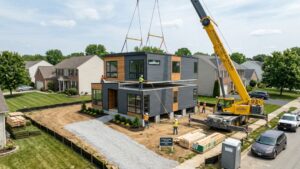
Third, modular homes sit on permanent foundations identical to traditional houses. This permanent installation classifies them as real property attached to the land. Real property appreciates. Personal property depreciates.
The market has shifted dramatically over the past decade. Stigmas fade as modular construction becomes mainstream. Builders deliver custom designs that look identical to site-built homes once complete.
From my experience analyzing home values across multiple markets, well-built modular homes in good locations appreciate within 2-3% of comparable traditional construction annually. The gap narrows every year as market acceptance grows.
The Factors That Actually Drive Modular Home Value
Understanding what affects your home’s value helps you make better decisions before you buy and after you move in.
- Location Dominates Everything
Your zip code matters more than your construction method. A modular home in a strong real estate market will appreciate steadily. The same home in a declining area loses value regardless of how it was built.
Research the local market thoroughly. Look at five-year trends, not just current conditions. Check whether comparable homes in the area gained value consistently.
- Permanent Foundation Requirements
This factor separates homes that appreciate from those that don’t. Your modular home needs a foundation engineered for permanent residential construction to know more do modular homes depreciate.
| Foundation Type | Value Impact | Appreciation Potential |
| Full Basement (Permanent) | Excellent | Matches site-built homes |
| Crawl Space (Permanent) | Excellent | Matches site-built homes |
| Reinforced Slab (Permanent) | Excellent | Matches site-built homes |
| Pier & Beam (Temporary) | Poor | Limited appreciation |
Banks won’t provide standard mortgages for homes on inadequate foundations. This financing limitation reduces your buyer pool and suppresses resale values.
- Build Quality and Materials
Factory construction can mean exceptional quality or cut-rate materials. The difference shows up in your appreciation rate and maintenance costs.
High-quality modular builders use the same materials as custom site-built homes. They engineer modules to withstand transportation stress, often making them stronger than traditional framing.
Budget builders reduce material quality to hit lower price points. These savings cost you thousands in lost appreciation and higher maintenance over time.
- Maintenance and Upkeep
Any home that falls apart loses value. Modular construction doesn’t change this basic real estate principle.
Proper maintenance protects your investment regardless of construction method. Deferred maintenance destroys value just as quickly in modular homes as traditional houses.
The good news: modular homes typically require similar or lower maintenance than site-built construction due to superior factory quality control.
Do Modular Homes Depreciate Compared to Stick-Built Houses?
This comparison question comes up constantly. Buyers want to know if choosing modular construction means accepting lower appreciation rates.
The data from the past decade shows minimal difference between quality modular and traditional construction. Both home types appreciate based on location, condition, quality, and market conditions rather than construction method alone.
Here’s what affects the comparison:
- Initial Cost Advantage Creates Instant Equity
Modular homes typically cost 10-20% less than comparable stick-built houses. This cost savings means you start with more equity from day one.
A $200,000 modular home comparable to a $240,000 site-built house gives you $40,000 in immediate equity if both appreciate at similar rates. That head start compounds over time.
- Financing Works Identically
When you compare financing a modular home versus traditional construction, the process and terms match exactly. Same mortgage types, same interest rates, same down payment requirements.
This equal treatment in lending markets supports comparable appreciation because buyers can access your home just as easily as traditional options when you sell.
- Resale Timeline Differs Slightly
In my opinion, modular homes currently take 2-4 weeks longer to sell on average compared to traditional houses in the same market. This small difference comes from lingering market perceptions rather than actual quality issues.
However, this gap shrinks annually as modular construction gains acceptance. Many markets now show no measurable resale timeline difference for homes built in the past five years.
- Insurance Costs Stay Comparable
Standard homeowners insurance treats quality modular homes identically to site-built houses. Your premiums depend on location, value, and coverage rather than construction method.
This equal insurance treatment supports comparable values because ownership costs remain similar throughout the life of the home.

How to Protect Your Modular Home Investment Value
Smart decisions before and after purchase protect your investment and maximize appreciation potential.
- Choose Reputable Builders
Your builder determines construction quality more than any other single factor. Research builders thoroughly before you commit.
Look for builders with proper licensing, comprehensive warranties, and proven track records in your market. Check references and visit completed homes when possible.
- Verify Permanent Foundation Installation
Don’t accept verbal assurances about foundations. Verify that plans show permanent foundations meeting local building codes for residential construction.
Get this requirement in writing in your purchase contract. Confirm the foundation type with local building officials before installation begins.
- Maintain Documentation Carefully
Keep all construction documents, inspection reports, warranty information, and permit records. This paperwork proves your home meets code requirements and protects resale value.
Missing documentation can create appraisal problems and financing hurdles when you sell. Store copies in multiple locations for security.
- Invest in Regular Maintenance
Create a maintenance schedule and follow it consistently. Address small problems before they become expensive repairs.
Quality maintenance protects value in any home. The factory-built quality of modular homes actually reduces maintenance needs compared to site-built construction in many cases.
- Consider Location Carefully
Research local markets thoroughly before you choose your building site. Look for areas with strong appreciation trends and acceptance of modular construction.
Some markets embrace modular homes fully. Others maintain outdated stigmas that can slow resale. Choose markets that support your investment goals.
The Real Comparison: Modular vs Traditional Home Values
Let’s look at actual numbers from current markets to see how values compare over time.
A quality 2,000 square foot modular home in a strong suburban market purchased for $250,000 in 2020 would be worth approximately $320,000 in 2025 based on average appreciation rates.
A comparable site-built home purchased for $300,000 in the same market would be worth approximately $385,000 in 2025.
The modular home gained $70,000 in value. The site-built home gained $85,000. However, the modular buyer started with $50,000 less in their mortgage, reducing interest costs throughout ownership.
When you factor in lower initial costs and comparable appreciation rates, modular homes often deliver better total returns on investment despite slightly lower absolute appreciation amounts.
This value proposition makes modular homes worth considering for buyers focused on maximizing return on investment. The question of are modular homes safe regarding structural integrity also supports value, as modern factory construction delivers excellent quality.
Financial Benefits Beyond Appreciation
Value protection goes beyond appreciation rates alone. Several financial factors affect your total return on modular home investment.
| Financial Benefit | Impact | Long-Term Value |
| Lower Initial Purchase Price | 10-20% cost savings vs. site-built | $50,000 less principal and interest over 30 years on a $250,000 home |
| Faster Completion Timeline | 3-5 months vs. 8-12 months for traditional | Start building equity months earlier, avoid dual housing payments |
| Energy Efficiency | Tighter building envelope from factory construction | Thousands in utility savings over the life of ownership |
When Modular Homes Actually Lose Value
Certain situations do cause modular homes to depreciate. Awareness of these scenarios helps you avoid them.
- Placement in Mobile Home Parks
If you place a modular home in a manufactured home park, lenders and appraisers may treat it like a manufactured home regardless of actual construction quality. This classification destroys value.
Always place modular homes on owned land in areas zoned for residential construction.
- Inadequate Permits and Inspections
Skipping proper permitting to save money or time creates massive problems down the road. Your home won’t appraise properly. Lenders won’t finance it. Buyers walk away.
Complete all required permits and inspections according to local building codes. This documentation protects value throughout ownership.
- Deferred Maintenance
Ignoring maintenance needs accelerates depreciation in any home. Modular construction doesn’t protect you from neglect.
Budget for regular upkeep and address problems promptly. Prevention costs less than repairs and protects your investment value.
- Market Downturns
Economic recessions affect all home values regardless of construction method. Modular homes lose value in declining markets just like traditional houses.
However, they also recover when markets improve. The construction method doesn’t create additional vulnerability to market cycles.

The Appreciation Advantage of Custom Modular Design
Custom-designed modular homes often appreciate faster than standard plans. The reasons support investing in better design upfront.
Unique floor plans that match market preferences attract more buyers during resale. Custom exteriors that blend with neighborhood aesthetics eliminate the “modular look” that some buyers avoid.
Higher-end materials and finishes command premium prices regardless of construction method. These upgrades cost less in modular construction but deliver comparable value appreciation.
The process for how to buy a modular home includes extensive customization options that protect and enhance value. Smart buyers use this flexibility to create homes that stand out in their markets.
Do Modular Homes Depreciate? Final Takeaways
The direct answer to our central question: quality modular homes on permanent foundations do not depreciate when properly maintained. They appreciate at rates comparable to traditional site-built houses in the same markets.
Your specific home’s value trajectory depends on factors you control: construction quality, permanent foundation installation, proper maintenance, and smart location choices.
The slight appreciation gap between modular and traditional homes continues shrinking as market acceptance grows. In many markets, buyers can no longer distinguish completed modular homes from site-built construction.
Focus on quality, permanence, and location. These three factors determine whether your modular home appreciates steadily or faces value challenges.
The financial advantages of modular construction—lower initial costs, faster completion, and comparable appreciation—often deliver better total returns than traditional building methods when you account for all factors.
For buyers considering the pros and cons of modular homes, the value retention question has a clear answer supported by market data. Choose quality construction and protect your investment through proper maintenance.
Build Your Dream Modular Home With Confidence
Moduulize has earned the trust of developers, builders, and homeowners through our commitment to quality modular construction and comprehensive project management.
We handle every step of your project from custom design and manufacturing coordination to site preparation and complete installation. Our team works across commercial, residential, and specialty projects in multiple markets.
Request a free consultation today and receive expert guidance on costs, timelines, and design options specifically created to maximize your investment value and protect your long-term appreciation potential.
Frequently Asked Questions About Modular Home Depreciation
- Do modular homes depreciate or appreciate?
Quality modular homes on permanent foundations appreciate at rates of 3.2-3.8% annually, comparable to traditional site-built houses. They do not depreciate when properly constructed, maintained, and placed in stable or growing markets.
- Why do people think modular homes lose value?
The misconception comes from confusion between modular homes and manufactured homes. Manufactured homes built to HUD code often depreciate or appreciate slowly. Modular homes follow local building codes and perform like traditional construction.
- Will my modular home be worth less than a stick-built house?
A quality modular home and comparable stick-built house in the same market typically appreciate within 2-3% of each other annually. Initial cost advantages often give modular homes better total return on investment despite similar appreciation rates.
- How can I protect my modular home’s value?
Choose reputable builders, ensure permanent foundation installation, maintain comprehensive documentation, invest in regular maintenance, and select locations in stable or growing markets. These factors protect value regardless of construction method.
- Do banks appraise modular homes differently than traditional homes?
No, appraisers evaluate modular homes on permanent foundations using the same methods as site-built houses. They consider location, condition, comparable sales, and quality rather than construction method alone.