What Is Modular Housing?
Modular housing is a modern construction method where homes are built in prefabricated sections (modules) inside a factory, then transported and assembled on-site. Unlike traditional construction, where every step happens outdoors, modular housing ensures faster, cost-effective, and higher-quality builds.
Each module is designed to fit together seamlessly, making it possible to create anything from tiny homes to multi-story apartment complexes.
Why Modular Housing Is Gaining Popularity
The housing industry faces growing challenges—rising costs, labor shortages, and environmental concerns. Modular housing offers practical solutions through:
- Faster Construction: Modules are built simultaneously with site preparation, reducing build time by up to 50%.
- Cost Efficiency: Factory-based production lowers labor and material costs.
- Sustainability: Less waste, better energy efficiency, and greener materials.
- Flexibility: Homes can be expanded, downsized, or relocated.
How Modular Housing Works
The process of modular housing typically involves three steps:
1. Design & Customization
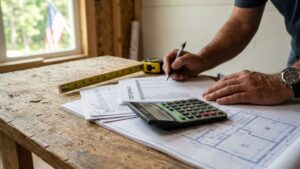
Buyers choose layouts, materials, and finishes. Modular housing can be tailored to personal or community needs.
2. Off-Site Manufacturing
Modules are built in a factory-controlled environment, reducing weather delays and quality issues.
3. On-Site Assembly
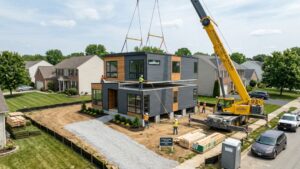
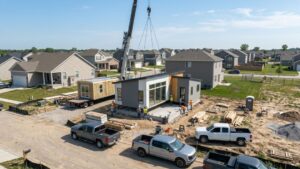
The finished modules are transported and installed on a permanent foundation. Once assembled, they look and function like traditional homes.
Benefits of Modular Housing
- Speed: Projects that normally take a year can be completed in months.
- Quality Control: Factory environments ensure consistency and precision.
- Eco-Friendly: Up to 90% less construction waste compared to traditional building.
- Scalability: Suitable for both individual homes and large-scale housing developments.
Challenges of Modular Housing
Like any innovation, modular housing has its challenges:
- Financing Limitations: Some lenders still view modular housing as unconventional.
- Transport Costs: Large modules can be expensive to move.
- Perception Issues: Many people mistakenly confuse modular housing with mobile homes or low-quality builds.
The Future of Modular Housing
With global housing shortages and rising demand for sustainable living, modular housing is set to play a major role in the future of construction. Governments and developers worldwide are exploring modular solutions for affordable housing, student dorms, senior living, and even luxury homes.
As technology advances, modular homes will only become smarter, greener, and more affordable.
Frequently Asked Questions About Modular Housing
1. Is modular housing cheaper than traditional housing?
Yes, modular homes are generally more affordable due to lower labor costs, faster build times, and efficient material use.
2. How long do modular homes last?
With proper maintenance, modular homes can last as long as or longer than traditionally built homes—often 50+ years.
3. Are modular homes eco-friendly?
Yes. Modular housing reduces construction waste, uses energy-efficient designs, and supports sustainable materials.
4. Can modular homes be customized?
Absolutely. From layout to finishes, modular housing offers significant flexibility, including multi-story and luxury designs.
5. Do modular homes hold their value?
Yes, when placed on a permanent foundation, modular homes appreciate in value like traditional houses.