Article Summary:
- Modular construction builds homes in factories, while stick built happens on-site
- Modular wins on speed and cost, stick built offers more design freedom
- Both methods create quality homes that last decades
- Your choice depends on timeline, budget, and customization needs
- Financing and resale work similarly for both when built on permanent foundations
The modular vs stick built debate comes down to your priorities. Each method has clear strengths and trade-offs across factors like cost, timeline, quality, and design flexibility.
This guide breaks down the real differences between these construction approaches so you can pick the right one for your project.
What Makes Them Different?
Stick built construction is the traditional method most people know. Crews frame walls, install systems, and finish everything on your property. The entire process happens outdoors, exposed to weather.
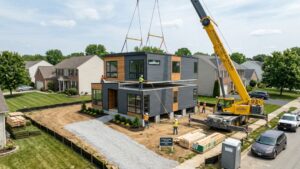
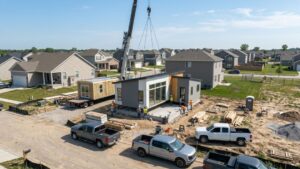
Modular construction builds most of the structure in a factory. Workers create large sections (modules) in a controlled environment. Then trucks deliver these modules to your site where crews set them on foundations and connect them.
Both methods produce permanent structures that meet the same building codes. The main difference is where the construction happens.
Speed and Timeline Breakdown
Time matters when you need a building ready fast. The modular vs stick built timeline shows major differences.
| Timeline Factor | Modular Construction | Stick Built Construction |
| Design Phase | 4-8 weeks | 6-12 weeks |
| Permits | 2-6 weeks | 2-6 weeks |
| Foundation | 2-4 weeks | 2-4 weeks |
| Main Construction | 6-12 weeks (factory) | 16-32 weeks (on-site) |
| Site Assembly | 1-2 weeks | N/A |
| Total Timeline | 3-5 months | 8-12 months |
Modular cuts the main construction time in half because factory and site work happen at the same time. While crews pour your foundation, the factory builds your structure.
Stick built projects face weather delays. Rain stops framing work. Snow delays roofing. Heat slows concrete curing. These delays add weeks or months to your schedule.
Factory construction avoids these problems completely. Your project stays on schedule regardless of weather conditions.
For more details on modular timelines, check out our article: how long does it take to build a modular home.

Cost Analysis: How Your Budget Is Distributed
Budget often drives the modular vs stick built decision for many buyers and developers.
| Cost Category | Modular Construction | Stick Built Construction |
| Base Construction | $85-$170 per sq ft | $100-$200+ per sq ft |
| Labor Costs | Lower (factory efficiency) | Higher (on-site labor) |
| Material Waste | 5-10% waste | 15-20% waste |
| Weather Delays | None | Adds 10-15% to cost |
| Financing During Build | Shorter period = less interest | Longer period = more interest |
| Site Preparation | Same for both | Same for both |
| Total Savings | 10-20% less | Baseline cost |
Modular construction costs less for several reasons. Factories buy materials in bulk at discount prices. Workers stay productive without weather interruptions. Less waste means lower material costs.
Stick built projects pay retail prices for materials. Weather delays cost money even when no work happens. Material waste runs higher because job sites lack controlled storage.
Want to know specific price ranges? Learn how much is a modular home for detailed cost breakdowns.
Quality and Construction Standards
Both methods must meet identical building codes. The modular vs stick built quality debate often comes from outdated information.
| Quality Factor | Modular Advantage | Stick Built Advantage | Reality |
| Building Code Compliance | Same codes apply | Same codes apply | Equal |
| Inspection Frequency | Multiple factory inspections | On-site inspections | Modular has more |
| Weather Protection | Materials stay dry | Exposed to elements | Modular wins |
| Precision | Computer-guided tools | Manual measurements | Modular more precise |
| Skilled Labor | Specialized teams | General contractors | Both work well |
| Material Quality | Bulk purchasing | Varies by contractor | Similar quality |
Factory construction offers tighter quality control. Every module gets inspected multiple times before it leaves the facility. Materials never sit in rain or snow.
Stick built quality depends heavily on your contractor. Great builders produce excellent results. But weather exposure and on-site conditions create more variables.
Modern modular facilities use computer-guided cutting and assembly. This precision reduces gaps, improves energy efficiency, and creates tighter construction overall.
Customization and Design Flexibility
Design options show the clearest difference in the modular vs stick built comparison.
| Design Element | Modular Capability | Stick Built Capability |
| Floor Plan Options | Wide selection, some limits | Unlimited |
| Exterior Finishes | Full range available | Full range available |
| Interior Finishes | Full range available | Full range available |
| Unique Architectural Features | Limited by transport size | No limits |
| Changes During Build | Difficult/expensive | Easier to modify |
| Multi-Story Buildings | Up to 3-4 stories typically | Any height |
Stick built wins on pure design freedom. Architects can create any layout, any roof line, any feature you want. Changes during construction cost less because crews just adjust plans.
Modular works within transport limits. Each module must fit on a truck and under highway bridges. This reality restricts certain designs like very wide open spaces or complex roof lines.
That said, modern modular designs look identical to traditional homes once complete. Many people cannot tell which construction method was used.

Long-Term Value and Maintenance
How do these methods perform over decades of use?
| Long-Term Factor | Modular Performance | Stick Built Performance |
| Structural Durability | 50+ years typical | 50+ years typical |
| Maintenance Needs | Same as traditional | Same as traditional |
| Energy Efficiency | Often better (tighter) | Varies by builder |
| Appreciation Potential | Equal in good markets | Equal in good markets |
| Insurance Costs | Same rates | Same rates |
| Lifespan | Equal to stick built | Equal to modular |
Both construction methods last just as long when properly maintained. Your roof needs replacement every 20-30 years regardless of construction method. HVAC systems fail at the same rate. Plumbing and electrical work the same way.
The appreciation of modular homes depends more on location than construction method. A modular home in a strong market gains value just like stick built homes in that same area.
Some data suggests modular homes may perform slightly better for energy efficiency because factory construction creates tighter seals and better insulation.
Financing and Resale Factors
Money issues extend beyond the initial purchase price when comparing modular vs stick built options.
Stick built projects typically have easier financing because more lenders understand traditional construction. Every bank knows how to finance on-site building.
Modular construction qualifies for the same loans for modular homes once the home sits on a permanent foundation. Some lenders still need education about modular quality, which can slow the approval process.
Resale markets treat both methods similarly in most areas. Buyers care about location, condition, and features rather than construction method. In markets where modular homes are common, resale works smoothly.
Overall Comparison: Where Each Method Wins
After looking at all the factors, here’s how modular vs stick built stack up against each other:
| Factor | Modular Wins | Traditional Wins | It’s a Tie |
| Speed | ✓ (3-5 months) | _ | _ |
| Cost Savings | ✓ (10-20% less) | _ | _ |
| Quality Control | ✓ (factory precision) | _ | _ |
| Customization Options | _ | ✓ (unlimited) | _ |
| Weather Independence | ✓ (factory built) | _ | _ |
| Site Flexibility | _ | ✓ (any location) | _ |
| Energy Efficiency | ✓ (tighter construction) | _ | _ |
| Resale Value | _ | _ | ✓ (location dependent) |
| Financing Ease | _ | ✓ (more lenders) | _ |
| Design Complexity | _ | ✓ (any layout) | _ |
Who Should Choose Modular Construction
Modular makes sense when you need:
- Fast completion timelines for business or personal reasons
- Cost savings without quality compromise
- Predictable budgets with fewer surprise expenses
- Commercial spaces like offices or specialty facilities
- Multiple identical units for developments
- Construction in areas with labor shortages
Who Should Choose Stick Built Construction
Traditional construction works better when you want:
- Highly custom architectural designs with unique features
- The ability to make changes during the building process
- Construction on challenging sites where module delivery is hard
- Work with a specific contractor you trust
- Very large open floor plans without support walls
- The most lender and appraiser familiarity
The Reality of Both Methods
The modular vs stick built debate often creates false choices. Both methods produce quality buildings that serve their owners well for decades.
Your decision should focus on practical factors like timeline, budget, and design needs rather than outdated assumptions about quality or value.
Many commercial developers now choose modular for projects where speed and cost control matter most. Residential buyers often select modular to get more houses for their budget or move in faster.
Stick built remains popular for custom homes where design freedom justifies the higher cost and longer timeline.

Build Your Next Project with Expert Guidance
Moduulize helps clients create modular solutions that meet their exact needs and timeline goals.
Our team manages every step from design and factory coordination to site preparation and final installation. We serve commercial developers, residential builders, and individual clients across multiple markets.
We work on projects ranging from office buildings to residential developments to specialty facilities. Our experience helps you make smart decisions about construction methods and design options.
Contact us today for a free consultation about your project. We’ll discuss your specific goals, provide accurate timelines, and explain how modular construction can deliver the results you need.
Frequently Asked Questions (FAQ) Related To Modular Vs Stick Built Houses
- Do modular homes last as long as stick built homes?
Yes, both construction methods last 50+ years when properly maintained. Modular homes use the same materials and meet identical building codes as traditional houses. The construction method does not affect structural lifespan or durability.
- Can you tell the difference between modular and stick built homes after construction?
Most people cannot tell the difference once construction is complete. Modular homes use the same exterior finishes, roofing materials, and design elements as traditional houses. The main difference is where the construction happened, not what the final product looks like.
- Are modular homes harder to finance than stick built homes?
Modular homes on permanent foundations qualify for the same loan types as traditional houses. Some lenders need more education about modular construction, which can slow the process. But the actual loan requirements and rates match traditional home financing.
- Which construction method has better resale value?
Resale value depends on location, condition, and market factors rather than construction method. Both modular and stick built homes appreciate at similar rates in the same markets when properly maintained.
- Can modular construction work for commercial buildings?
Yes, modular works well for commercial projects like offices, retail spaces, and specialty facilities. The speed advantage helps businesses open faster. Cost savings improve project economics. Many commercial developers now prefer modular for certain building types.