Are you considering a modular home as an alternative to traditional construction but worried it might look cheap or low-quality?
Many homebuyers hesitate when they hear “modular home” because they picture boxy structures with vinyl siding and cookie-cutter designs.
The question “do modular homes look cheap” comes up constantly in real estate circles, and it’s time to set the record straight.
This guide explores why some modular homes may appear less expensive, how modern modular construction can look high-end, and practical tips for combining cost efficiency with style.
What Are Modular Homes?
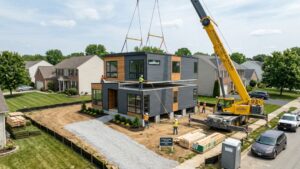
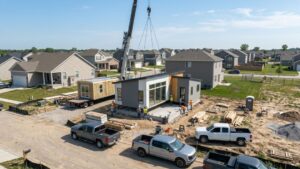
Modular homes are permanent structures built in factory-controlled environments and assembled on-site.
Each section (called a module) gets constructed indoors, shipped to your property, and joined together on a foundation.
This isn’t your grandparents’ prefab housing. Modern modular construction uses the same materials, meets the same building codes, and follows the same architectural standards as stick-built homes.
The main difference is where the work happens.
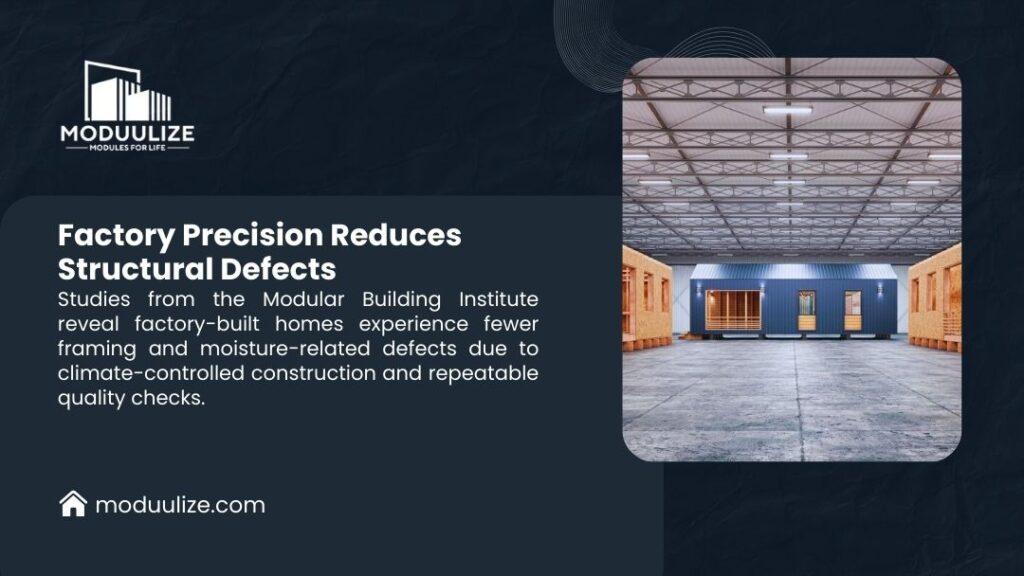
Factories build modular homes in controlled conditions, which eliminates weather delays and reduces material waste. The modules arrive at your site ready for assembly, cutting construction time by months compared to traditional methods.
Modular vs Traditional Construction Comparison
| Factor | Modular Construction | Traditional Construction |
| Build Location | Factory-controlled environment | On-site, exposed to weather |
| Timeline | 3-4 months total | 6-12 months typical |
| Material Waste | 10-15% less waste | Higher waste levels |
| Quality Control | Consistent factory inspections | Varies by contractor |
| Cost Efficiency | Often 10-20% less expensive | Higher labor costs |
The factory setting allows for better quality control. Inspectors check each module multiple times during construction, catching problems before they become expensive fixes.
Many people confuse modular homes with mobile homes or older manufactured housing. These are completely different products. Modular homes are permanent structures that can’t be moved once assembled, while mobile homes sit on a chassis and can relocate.
Why Some Modular Homes Appear Cheap
Not all modular homes look the same. Some factors make certain homes appear less expensive or lower quality, even when the structure itself is solid.
The perception of “cheap” usually comes down to three main areas: materials and finishes, design limitations, and how well the home fits into its surroundings.
Materials and Finishes
The materials you choose have the biggest impact on how your modular home looks from both inside and outside.
Low-end modular homes often use basic vinyl siding, standard contractor-grade windows, and minimal exterior trim. These materials work fine structurally but give the home a budget appearance.
For example, thin vinyl siding in a single color creates a flat, boring look. Compare that to fiber cement siding with board-and-batten accents, and the difference is dramatic.
Interior finishes matter just as much. Laminate countertops, hollow-core doors, and builder-grade carpet immediately signal “budget home” to anyone who walks through.
Common Budget vs Premium Material Choices
| Element | Budget Option | Premium Option |
| Exterior Siding | Basic vinyl, single color | Fiber cement, mixed textures |
| Windows | Standard vinyl, single-pane | Energy-efficient, multi-pane |
| Roofing | 3-tab asphalt shingles | Architectural shingles, metal |
| Front Door | Hollow steel, no details | Solid wood or fiberglass with glass |
| Countertops | Laminate | Quartz, granite, or solid surface |
The good news is that cost-effective materials can still look great. You don’t need the most expensive options to avoid a cheap appearance. Mid-range materials with good design choices beat premium materials poorly applied.
Design Limitations
Boxy layouts with minimal architectural detail create that “modular home” look people worry about. When every home in a development has the same rectangular footprint and flat roof, they all look cheap regardless of materials.
Simple rooflines are often the culprit. A basic gable roof with no variation looks plain. Add dormers, different roof pitches, or extended eaves, and suddenly the home has character.
Exterior details make a huge difference too. Homes without porches, window trim, shutters, or varied siding heights appear flat and unfinished. These details don’t cost much but add visual interest that separates custom-looking homes from basic boxes.
Modern design strategies can overcome these limitations. Mixing materials on the facade, adding covered entry areas, and creating depth with different wall planes all help break up the boxy look.
Neighborhood Fit
A modular home that clashes with its surroundings will always appear out of place, regardless of quality. This matters more than most people realize.
For instance, putting a basic ranch-style modular home in a neighborhood of two-story colonials makes it stand out in a bad way. The home might be well-built, but it looks cheap because it doesn’t match the area’s architectural style.
Colors matter for neighborhood integration too. Bright or unusual exterior colors that don’t match local preferences make homes look temporary or low-quality.
The best approach is designing your modular home to complement nearby houses. This doesn’t mean copying them exactly, but your home should feel like it belongs on the street.
How to Make Modular Homes Look Modern and High-End
Want your modular home to feel like a luxury custom build? The strategies below show exactly how to achieve that look without breaking your budget.
Exterior Design Enhancements
Your home’s exterior creates the first impression, so this is where smart upgrades deliver the most value.
Start with rooflines. Instead of a simple gable, consider these options:
- Hip roofs that wrap around for a more substantial look
- Mixed roof pitches that add visual complexity
- Dormers that break up large roof planes
- Extended eaves that create shadows and depth
Siding choices transform your home’s appearance. Mix materials like stone veneer at the foundation, horizontal siding on the main walls, and board-and-batten accents on gables. This layered approach adds dimension.
Window treatments make a bigger difference than most people expect. Add shutters, decorative trim, or contrasting colors around windows. Upgrade to larger windows with divided lites for a more custom look.
Porches and covered entries add enormous curb appeal. Even a small covered front porch changes how people perceive your home. It creates an inviting entrance and breaks up the facade.
Cost vs Visual Impact of Exterior Upgrades
| Upgrade Type | Approximate Cost | Visual Impact Rating |
| Mixed Siding Materials | $3,000 – $8,000 | Very High |
| Upgraded Windows | $2,500 – $6,000 | High |
| Covered Front Porch | $4,000 – $12,000 | Very High |
| Decorative Trim & Shutters | $1,500 – $4,000 | Medium-High |
| Stone or Brick Accents | $5,000 – $15,000 | Very High |
Paint and color selection shouldn’t be overlooked. Choose sophisticated color schemes with 2-3 complementary colors rather than a single color. This creates depth and makes your home look more expensive.
Interior Customization Options
Interior finishes determine whether your home feels budget or upscale the moment someone walks in.
Flooring sets the tone for the entire house. Skip basic carpet and builder-grade vinyl. Instead, consider a luxury vinyl plank that mimics hardwood, tile in high-traffic areas, or actual hardwood in main living spaces.
Kitchen and bathroom upgrades provide the best return on perceived value. Solid surface countertops, soft-close cabinets, and quality fixtures transform these spaces. You don’t need the most expensive options, just avoid the bottom tier.
Open layouts make modular homes feel more custom. Removing unnecessary walls between kitchen, dining, and living areas creates flow and makes spaces feel larger. Many manufacturers offer open floor plans as standard options.
Lighting deserves more attention than it typically gets. Recessed lighting, pendant fixtures, and under-cabinet lights create ambiance that cheap-looking homes lack. Good lighting makes even modest finishes look better.
Built-ins and custom details add a high-end feel. Think mudroom cubbies, window seats, or custom shelving. These features don’t cost much during construction but would be expensive to add later.When you’re customizing a modular home, focus your budget on the most visible areas. Spend more on the kitchen, main bathroom, and primary living spaces where you’ll see the return.
Landscaping and Curb Appeal
Your home’s surroundings dramatically affect how people perceive the building itself. Great landscaping makes even modest homes look expensive, while poor landscaping makes expensive homes look cheap.
Start with a clean, defined front yard. Edge your lawn, add mulch beds around the foundation, and plant some foundation shrubs. These basic steps take a home from “just placed there” to “intentionally designed.”
Trees add maturity and value to any property. Even young trees signal permanence and planning. Consider planting a shade tree in the front yard and privacy trees along property lines.
Walkways and driveways matter more than most people think. A poured concrete walk with decorative edges looks infinitely better than plain concrete or gravel. Add pavers or stamped concrete for an even more upscale appearance.
Outdoor lighting extends your home’s appeal into evening hours. Path lights, uplighting on trees, and well-lit entryways all contribute to a polished look.
The safety of modular homes is never compromised by these aesthetic choices, as all structural elements remain intact while you improve appearance.
Cost vs Appearance: Do Cheaper Modular Homes Look Cheap?
Is a lower price always a trade-off for style? Not necessarily, but the relationship between cost and appearance is more complex than most people realize.
Base modular homes start around $50-$80 per square foot, while upgraded versions run $100-$150 per square foot or more. That price difference shows up in finishes, materials, and design complexity.
However, a modestly priced modular home with smart design choices can look better than an expensive one with poor planning. The key is knowing where to spend your money.
Base Home vs Upgraded Finishes Comparison
| Feature | Base Model Cost | Upgraded Model Cost | Appearance Impact |
| 1,500 sq ft Home Base | $75,000 – $120,000 | $150,000 – $225,000 | Foundation |
| Premium Siding | Add $4,000 – $7,000 | Included | High |
| Better Windows | Add $3,000 – $5,000 | Included | Medium-High |
| Quality Finishes | Add $8,000 – $15,000 | Included | Very High |
| Design Details | Add $5,000 – $10,000 | Included | High |
The pros and cons of modular homes include this flexibility. You can start with a base model and selectively upgrade the elements that matter most for appearance.
In my experience working with modular construction, homeowners who spend an extra 15-20% on strategic upgrades end up with homes that look as good as custom builds costing 40-50% more.
Think about it this way: a $150,000 modular home with $25,000 in smart upgrades can rival the appearance of a $250,000 stick-built home. The savings come from efficient construction, not cheap materials.
The question isn’t whether cheaper modular homes look cheap, but whether you’re making thoughtful choices about where to allocate your budget.
Frequently Asked Questions
Can modular homes look modern and luxurious?
Yes, modern modular homes can achieve any architectural style from contemporary to traditional luxury. The key factors are quality materials, thoughtful design, and attention to exterior details.
What materials prevent modular homes from appearing cheap?
Fiber cement or engineered wood siding, energy-efficient multi-pane windows, architectural shingles or metal roofing, and solid doors with glass inserts all help. Inside, quartz or granite countertops, quality cabinetry with soft-close hardware, and luxury vinyl plank or hardwood flooring make the biggest difference.
Are modular homes durable compared to traditional homes?
Modular homes often exceed traditional construction in durability because they’re built to withstand transport and crane lifting. They must meet the same building codes as stick-built homes. Factory construction in controlled conditions can actually result in tighter, more consistent builds than field construction.
Can modular homes blend into traditional neighborhoods?
Yes, when designed thoughtfully. Choose architectural styles and materials that complement surrounding homes, avoid overly generic designs and work with manufacturers who offer customization options for exteriors.
Does cost affect the appearance of a modular home?
Cost affects the level of finish and detail, but a well-designed modest home can look better than a poorly planned expensive one. Strategic upgrades to visible elements like siding, windows, and front entry areas deliver the most visual impact per dollar spent.
How customizable are modular homes?
Most manufacturers offer extensive floor plan modifications, material upgrades, and design options. You can change layouts, add square footage, select finishes, and incorporate custom elements. The level of customization depends on the manufacturer, but modern modular construction offers far more flexibility than people expect.
Are modular homes energy efficient?
Many modular homes exceed traditional construction in energy efficiency. Factory-built walls have tighter seals, and manufacturers can easily add extra insulation, high-performance windows, and energy-efficient HVAC systems. If you want to learn more about the energy efficiency of modular homes, you can read our full guide.
Final Thoughts
The question “do modular homes look cheap” has a clear answer: they can, but they don’t have to. Modern modular construction offers the same design flexibility and quality as traditional building methods.
The homes that look cheap typically feature basic materials, minimal architectural detail, and poor integration with their surroundings. The homes that look high-end invest in smart design choices, quality finishes, and thoughtful customization.
Your modular home’s appearance comes down to the decisions you make during planning and design. Choose materials wisely, add architectural interest to break up boxy shapes, and create curb appeal through landscaping and exterior details.
The beauty of modular construction is that you can achieve custom-home aesthetics while benefiting from faster build times and often lower costs. You’re not sacrificing appearance for efficiency.
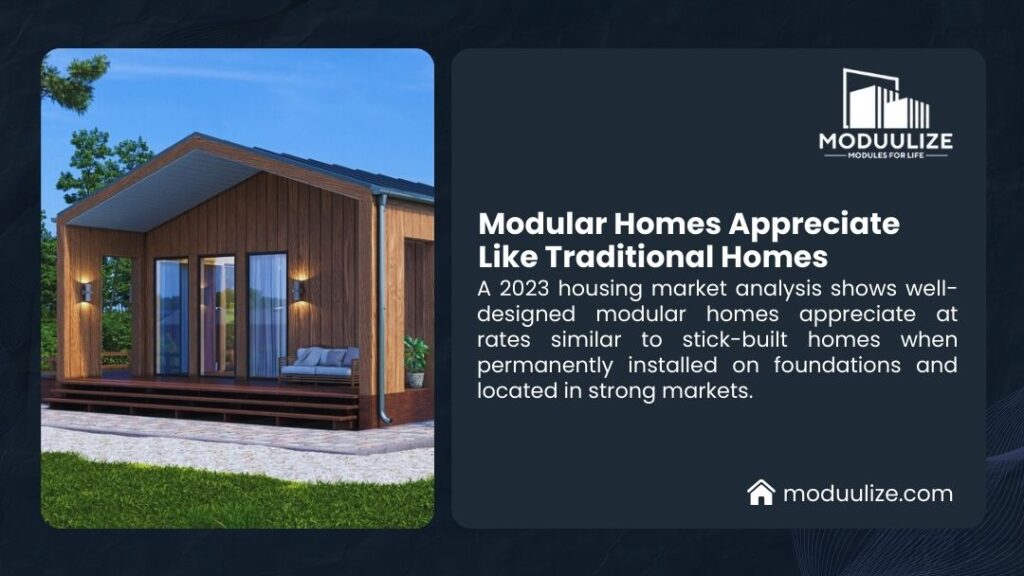
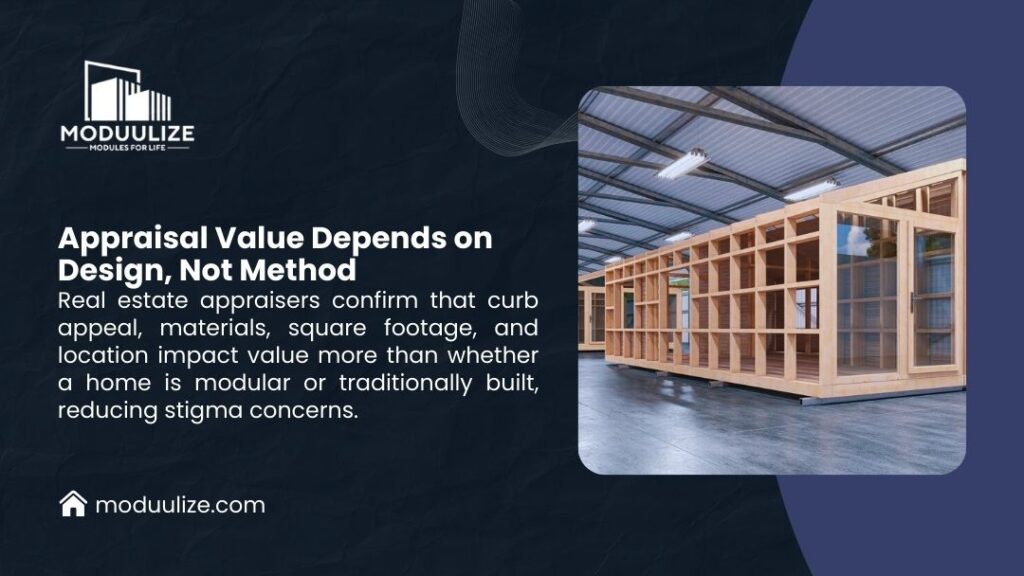
When investing in modular homes, think long-term about both function and style. A well-designed modular home holds value just like any quality-built house.
If you want to learn more about if modular homes depreciate, the answer depends more on design and location than construction method.
Your Path to a Beautiful Modular Home
Moduulize specializes in creating modular solutions that combine efficiency with high-end design. We work with homeowners, developers, and builders who want the benefits of modular construction without compromising on appearance.
Our team guides you through every design decision, from selecting materials that fit your budget to customizing floor plans that match your vision. We understand that your home’s appearance matters as much as its structure.
We manage the complete process from initial design through final installation. Our experience with custom modular projects across residential and commercial sectors means we know how to deliver the look you want within your timeline and budget. Contact Moduulize today for a consultation about your modular home project. We’ll show you exactly how modern modular construction can create the home you envision.